Great talent needs great photographers — and great photographers deserve a better ecosystem too.
Maine Modeling Agency is building a network for photographers who want more than one-off test shoots.
The goal is to create stronger relationships between photographers and the people they photograph, with clearer expectations around ownership, attribution, commercial use, licensing, portfolio rights, future revenue participation, and career development.
A photographer should not disappear from the value chain once the files are delivered.
A model should not lose control of a career because the model needed photographs.
The best system gives both parties a reason to create exceptional work together.
Two people create the moment. The system should respect both.
The photographer contributes technical skill, lighting, timing, direction, composition, equipment, editing, style, and judgment.
The subject contributes identity, likeness, movement, expression, reputation, marketability, performance, and career context.
MMA believes those contributions should be organized through clear agreements rather than assumptions.
When MMA provides a photographer to developing talent, the photographer should operate inside a transparent project framework. When talent already has a photographer, MMA should be able to work with that relationship if professional standards and rights can be aligned.
Talent Access
Work with developing and represented people who are preparing for real portfolio, commercial, athletic, creator, and on-camera opportunities.
Commercial Opportunity
As MMA develops business relationships, photographers may be matched to projects that fit their specialty.
Attribution
Photographer credit should travel with authenticated career assets wherever contractually appropriate.
Rights Clarity
Know whether an assignment is commissioned work, copyright assignment, jointly administered collection, portfolio collaboration, commercial license, or another structure before work begins.
Future Licensing Participation
For selected MMA-produced collections, the developing model may allow photographers to receive an agreed share of future licensing, print, or collectible revenue rather than treating the photographer as invisible after delivery.
Image Rights Vault
The developing platform is intended to help connect photographer attribution, source provenance, subject attestation, copyright status, licensing history, and participant economics.
Future Studio & Print Opportunities
Once capabilities are verified, photographers may have opportunities to produce work, proofs, editions, portfolio products, sports cards, comp cards, prints, and other physical assets within the broader ecosystem.
Different projects require different strengths.
Fashion & Editorial
Commercial & Brand
Sports & Athlete
Headshot & Portrait
Creator & Social Content
Event & Promotional
Future specialties may include product, food, hospitality, architectural, video, retouching, HMU, styling, and production partners as actual demand develops.
These illustrative images show work categories, not MMA photographers or verified represented talent.
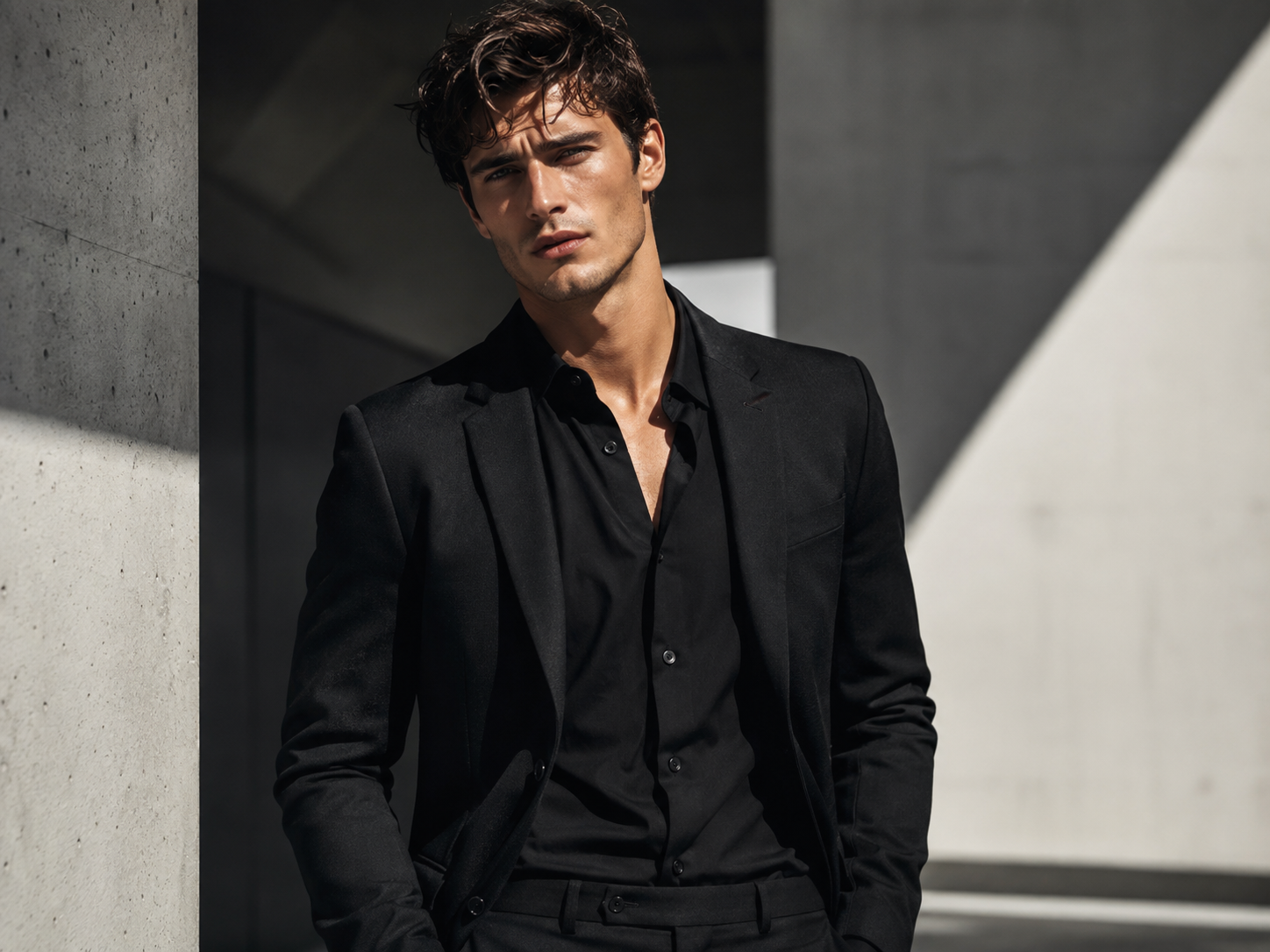
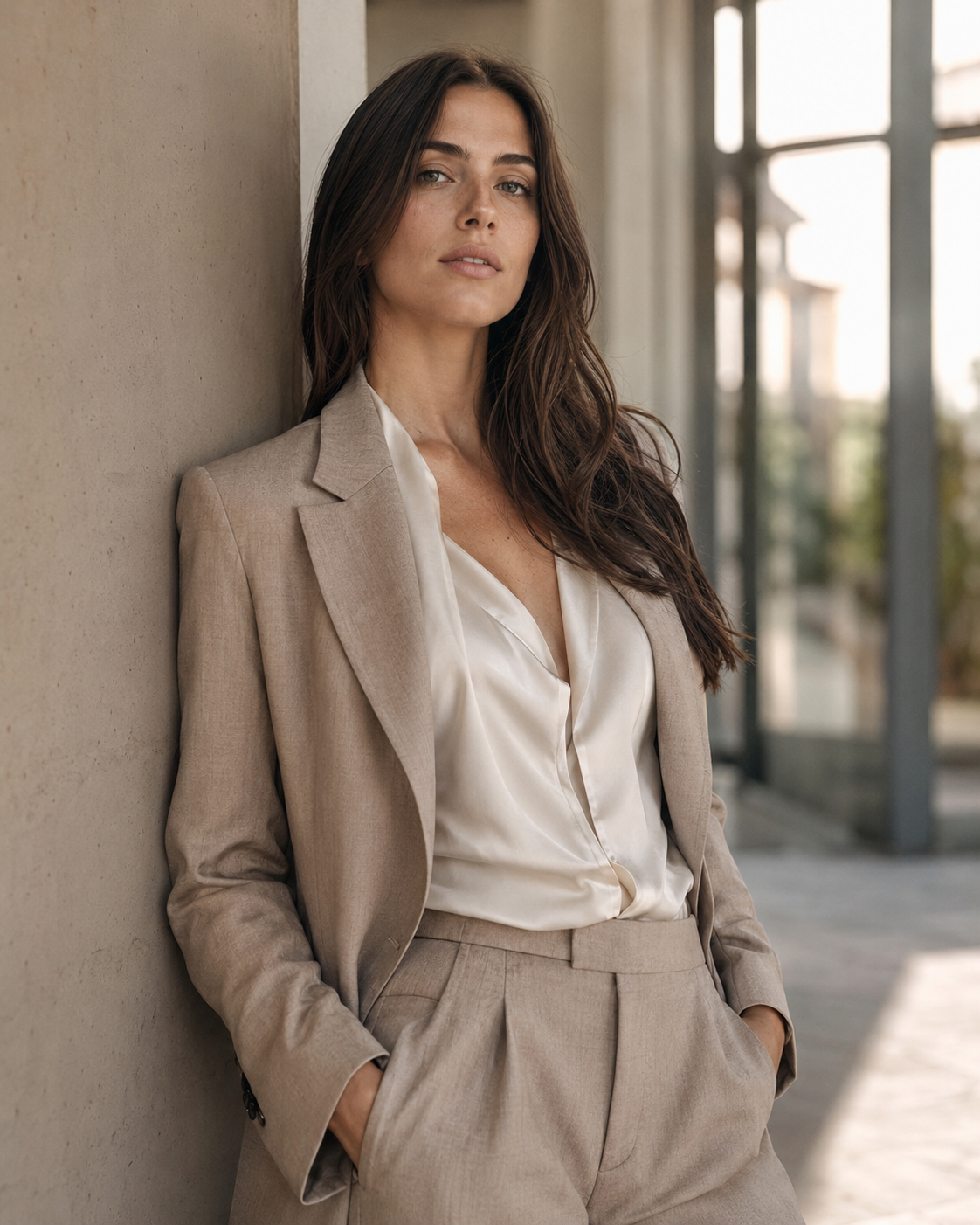
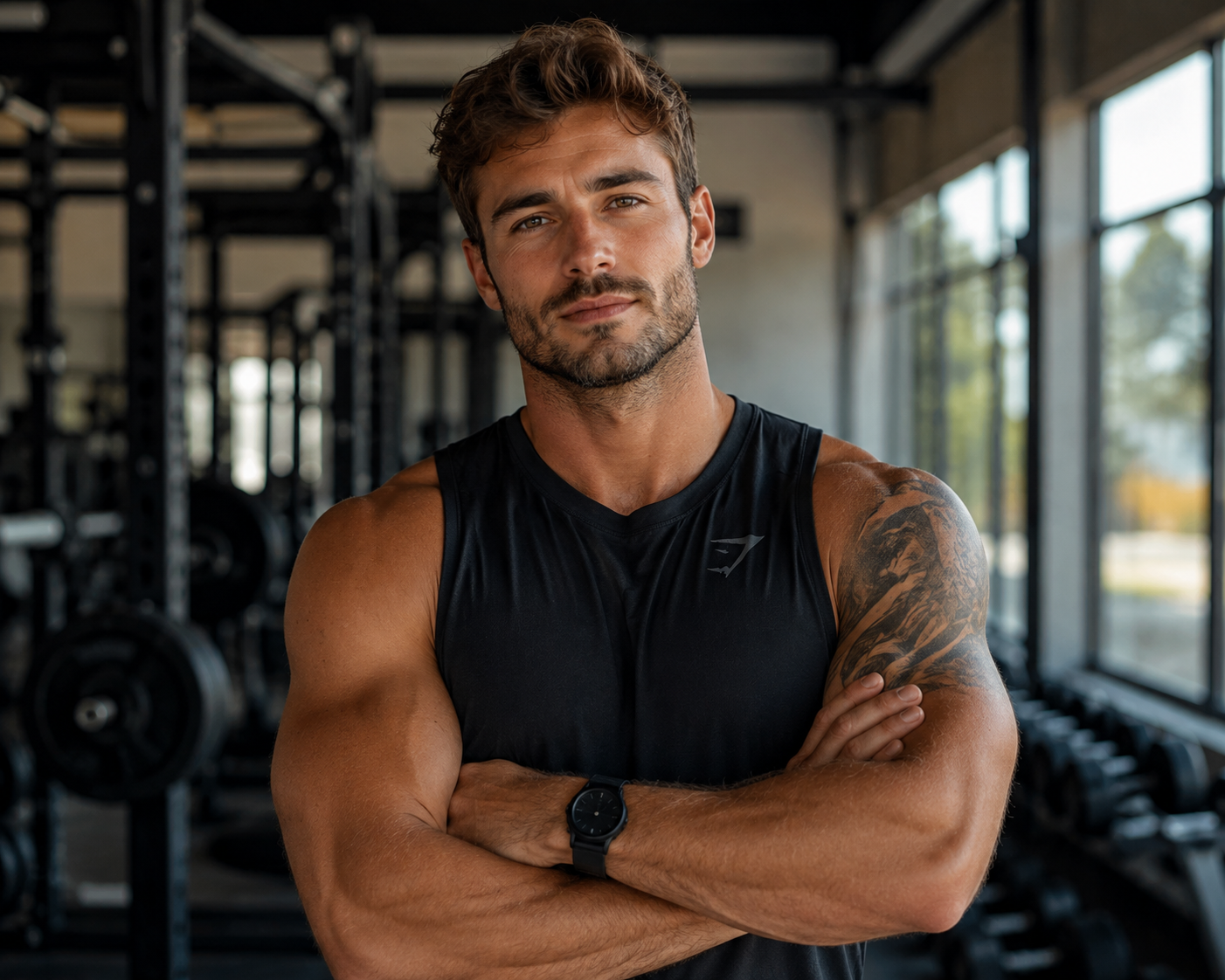
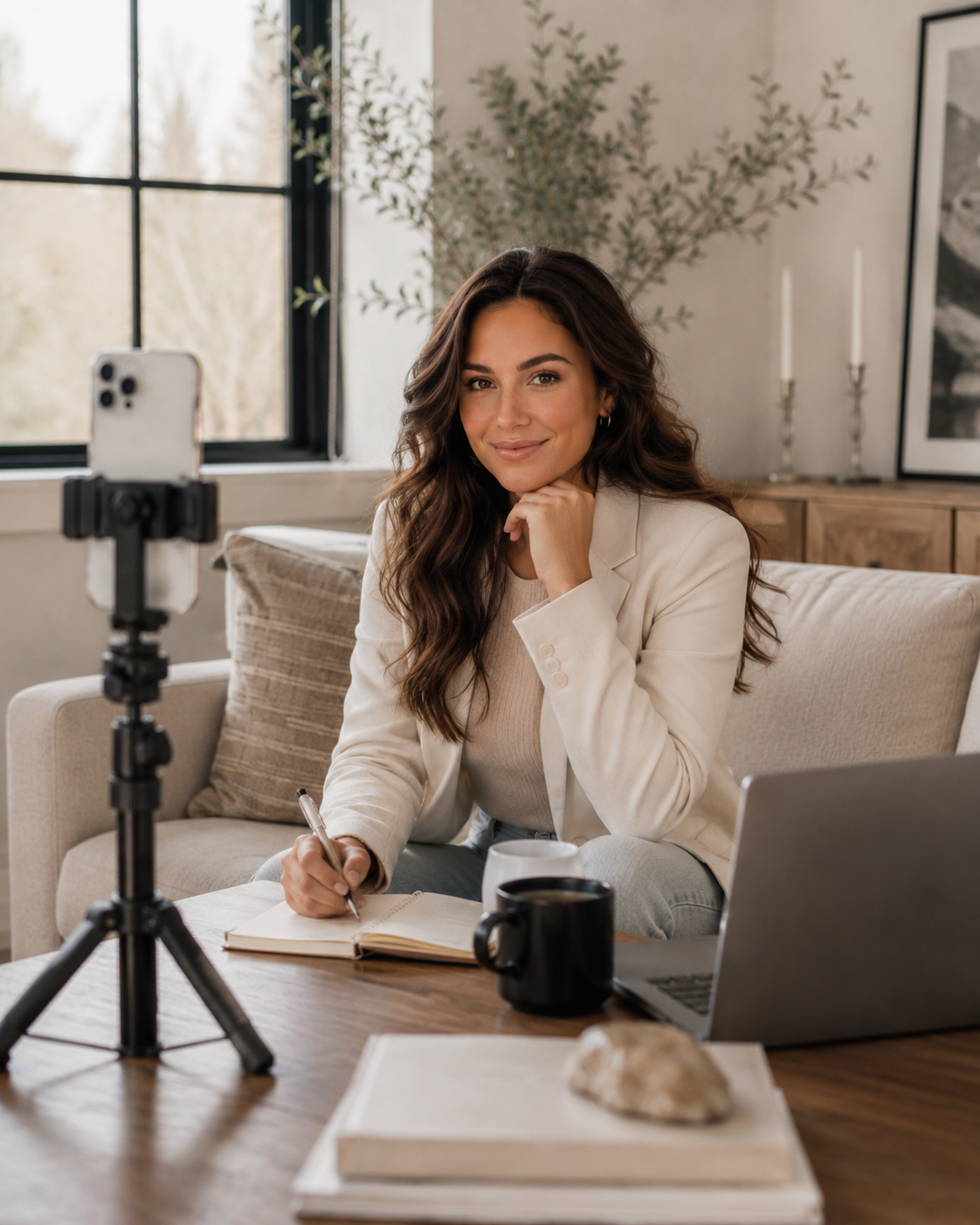
A partnership should begin with the contract, not the argument afterward.
MMA should not tell photographers that every project must use one universal ownership model.
Some projects may involve a transfer of copyright in approved final images.
Some may leave copyright with the photographer while granting commercial administration rights.
Some may be ordinary client commissions.
Some may be collaborative editorial work.
Some may create limited physical editions.
The correct structure depends on the purpose of the project.
What should remain consistent is clarity:
- who owns what;
- who can license what;
- what portfolio rights exist;
- whether the subject must approve new uses;
- whether future revenue is shared;
- how long rights last;
- what happens when someone leaves the ecosystem.
A photographer should not disappear from the history of the work.
Image Rights Vault is being designed to connect the photographer’s authorship and source attestation with the subject’s identity and approval, the applicable ownership agreement, licensing records, attribution, restrictions, and participant economics.
For photographers, that could eventually create a clearer record of:
- what was created;
- which files were approved;
- who owns or administers the work;
- what portfolio rights remain;
- what commercial uses were approved;
- whether future participation applies;
- how attribution should appear;
- how a physical edition connects to the source asset.
No project should be placed into that system without clear authority and agreed terms.
MMA does not require every project to use one universal copyright structure.
The structure should fit the project and be understood before commercialization.
What MMA Expects From Photographers
- Professional communication.
- Respectful treatment of talent.
- Reliable delivery.
- Clear file handling.
- No unauthorized publishing.
- No undisclosed AI training or likeness use.
- Honoring agreed credits and restrictions.
- Safe working practices.
- Accurate representation of experience and equipment.
- Willingness to document ownership and usage terms.
What Photographers Should Expect From MMA
- Clear project goals.
- Clear rights terms.
- Transparent economic structure.
- Professional communication.
- No fabricated promises about future work.
- Respect for authorship.
- A process for disputes.
- A path to bring existing talent relationships into the system.
- Commercial introductions where a real fit exists.
- Recognition that photographers are creative partners, not disposable vendors.
Do I have to assign copyright to join?
No. Different projects may use different rights structures. The important requirement is that the parties agree before commercial use.
Can I keep portfolio rights?
That should be addressed in each agreement. MMA’s goal is to preserve reasonable photographer attribution and portfolio use where the subject and project permit it.
Will MMA guarantee paid work?
No. The network should create opportunities and coordination, not fake guarantees.
Can I bring models or clients I already work with?
The platform should eventually support existing creative relationships, provided the parties want to participate and agree on the relevant rights and commercial terms.
What is Image Rights Vault?
A developing rights, provenance, licensing, and authentication platform intended to support creators and the people depicted in their work.